Aristotle (384 – 322 BCE)
Quick Summary
Aristotle (384 – 322 BCE) was a philosopher and major figure in history. Born in Stagira, Chalcidice, ancient Greece, Aristotle left a lasting impact through First formal theory of valid reasoning, the syllogism, set out in the Prior Analytics.
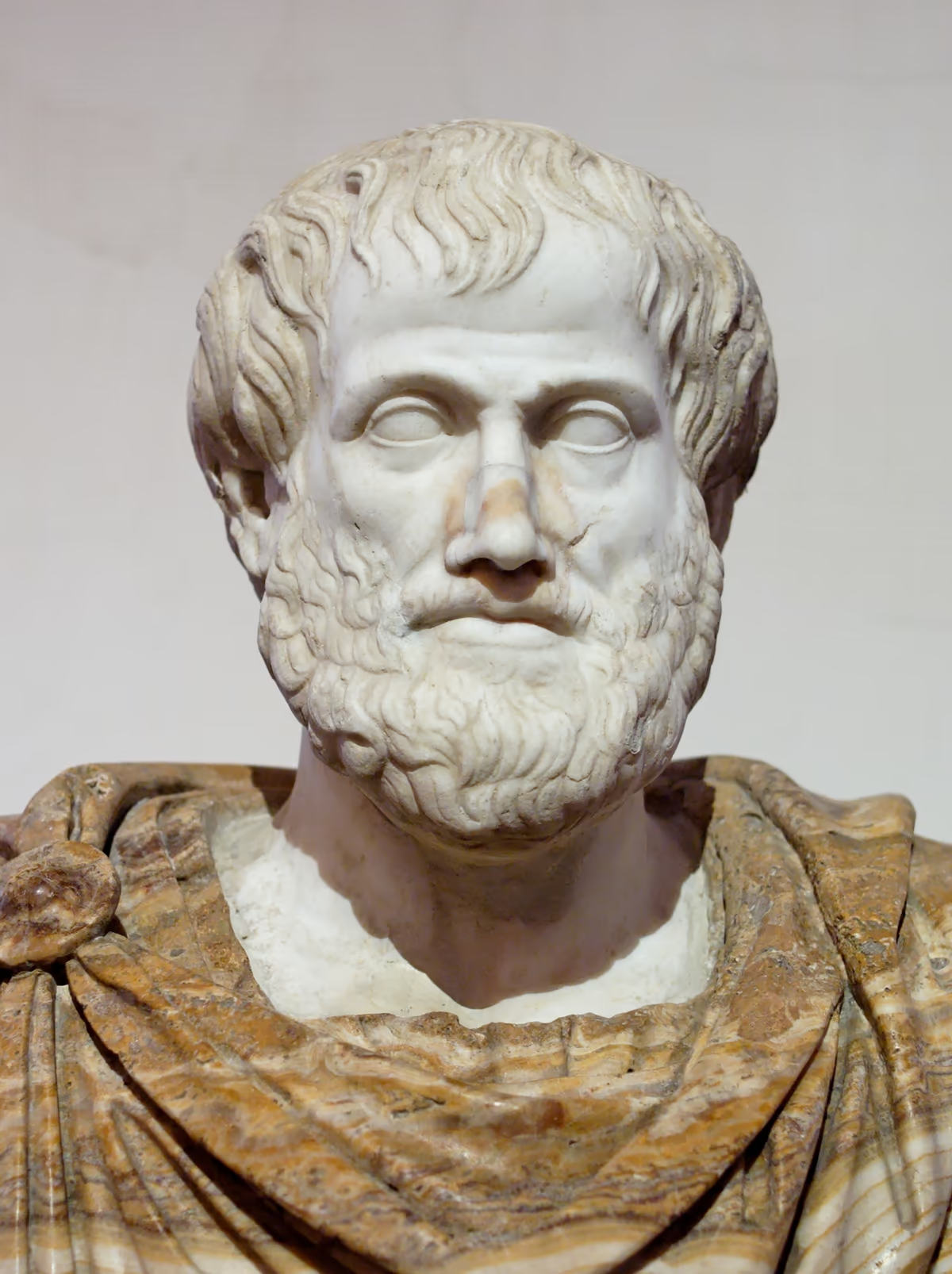
D’après Lysippe, buste d’Aristote, copie romaine en marbre d’un bronze grec de vers 330 av. J.-C. (manteau d’albâtre moderne) — Museo Nazionale Romano, Palazzo Altemps, Rome (inv. 8575) — photographie Jastrow, 2006, domaine public (Wikimedia Commons)
Birth
384 BC Stagira, Chalcidice, ancient Greece
Death
322 BC Chalcis, Euboea, ancient Greece
Nationality
Greek (Stagirite)
Occupations
Complete Biography
Origins and childhood
Aristotle was born in 384 BCE in Stagira, a small city in Chalcidice on the northern coast of the Aegean. Founded by settlers from Andros and later from Chalcis, the town was Greek in language and culture, but it lay on the doorstep of the kingdom of Macedon, whose power grew steadily throughout the 4th century. That proximity would weigh on the philosopher's entire life. His father, Nicomachus, was a physician. According to Diogenes Laertius, he lived at the court of the Macedonian king Amyntas III, father of the future Philip II, “as physician and friend”, and his family belonged to the Asclepiadae, the lineages that claimed descent from the god Asclepius and handed down medical knowledge from one generation to the next. His mother, Phaestis, came from Chalcis, on Euboea, where the family owned a house; it was there that Aristotle would end his days. Almost nothing is known of his childhood. Both his parents died while he was still young. He was placed in the care of a guardian, Proxenus of Atarneus, husband of his elder sister Arimneste, whose memory he honoured: his will provides for a statue of Proxenus and names Proxenus's son, Nicanor, as the future husband of his own daughter. It also mentions a brother, Arimnestus, who died childless. Historians have asked what the young man owed to this background. Nothing proves that he received any real medical training, and a hostile tradition going back to Epicurus, which portrays him as a spendthrift turned drug-seller, carries little weight. Yet his attention to living things and his taste for observation and dissection, which set his work apart among the Greek philosophers, are often linked to this ancestry. The closeness to the Macedonian court, for its part, explains what followed: Philip II's summons some forty years later, and the suspicion with which the Athenians would come to regard him.
Years at the Academy
In 367 BCE, at seventeen, Aristotle went to Athens and entered the Academy, the school Plato had founded some twenty years earlier in the gymnasium beside the sacred grove of Akademos. Plato was then in Sicily, at the court of Dionysius II of Syracuse, and did not return until 365 or 364. The young Stagirite would remain at the school for nearly twenty years, until his teacher's death in 348/347, first as a student and then as a full member of a community in which people taught, debated and wrote. The Academy had no fixed curriculum. Dialectic, mathematics and astronomy were pursued there, around figures such as Eudoxus of Cnidus, Speusippus and Xenocrates, and the master's doctrines were debated as much as they were handed on. Aristotle learned there the regulated discussion by question and answer that his Topics would later formalise, and he probably taught rhetoric there, in rivalry with the school of Isocrates. Late anecdotes report that Plato called him “the Reader” or “the Mind” of the school; they cannot be verified, but they fit the reputation as a tireless reader that his biographers give him. His first writings date from this period. Some of them were dialogues intended for a wide audience, in the manner of Plato: the Eudemus, on the soul and its immortality, the Gryllus, on rhetoric, and the Protrepticus, an exhortation to philosophy. These works are lost and survive only as fragments and quotations. Cicero, who had read them, likened their style to “a golden river”. Aristotle's relations with Plato have given rise to conflicting accounts. Some ancient authors speak of ingratitude and of a break while the master was still alive; nothing confirms this, and when Aristotle criticises the theory of Forms in the Metaphysics he still uses “we” to refer to the Platonists. The passage in the Nicomachean Ethics where he writes that friendship for the authors of that theory must not prevail over truth sums up this stance of critical loyalty. The chronology of his development remains disputed: Werner Jaeger's thesis (1923), which described a slow emancipation from Platonism, has since been heavily qualified.
Assos and Lesbos
On Plato's death in 348/347, leadership of the Academy passed to his nephew Speusippus, and Aristotle left Athens. The reasons for his departure are debated: disappointment at not succeeding his teacher, disagreement with the direction Speusippus was taking, or the rise of anti-Macedonian feeling after Philip II captured and destroyed Olynthus in 348, which made the position of a foreigner linked to the court at Pella uncomfortable. The sources do not allow a firm conclusion. With Xenocrates, he went to Assos, in the Troad, on the coast of Asia Minor. The city was under the control of Hermias, a former slave according to tradition, who had become ruler of Atarneus and of a small territory that was a vassal of the Persian Empire, and who readily welcomed philosophers trained at the Academy. Aristotle spent about three years there, taught a small circle and married Pythias, Hermias's niece or adopted daughter depending on the source, with whom he had a daughter of the same name. Around 345/344 he settled at Mytilene, on the island of Lesbos, probably at the prompting of Theophrastus, a native of Eresos on the same island, who became his closest collaborator and would be his successor. These years matter in the history of science. The biological treatises mention many observations made around the lagoon of Pyrrha, today's Gulf of Kalloni: fish, molluscs, sea urchins, cuttlefish, birds. A substantial part of the History of Animals may rest on this fieldwork, supplemented by information from fishermen, hunters and stockbreeders. The stay ended tragically for his patron. Around 341, Hermias was captured by Mentor of Rhodes, a Greek general in Persian service, handed over to the Great King and put to death, suspected of collusion with Macedon. Aristotle dedicated to him a hymn to Virtue, preserved by Diogenes Laertius, and an epigram for the statue erected in his memory at Delphi. These tributes would be held against him some twenty years later.
Tutor to Alexander
In 343/342, Philip II of Macedon summoned Aristotle to educate his son Alexander, then thirteen years old. The choice did not rest on the philosopher's reputation alone: his father had served Amyntas III, and the link with Hermias, an ally of Macedon, may have counted. The teaching took place at Mieza, at the foot of Mount Bermion, in a sanctuary of the Nymphs where, Plutarch says, Aristotle's stone seats and shady walks were still shown in his own day. The content of this education is poorly known. Plutarch, the main source, was writing more than four centuries after the events. He reports that Aristotle taught the prince ethics and politics, perhaps also more esoteric doctrines, that he gave him a taste for medicine, and that he revised a text of the Iliad for him, which the king is said to have carried on campaign in a precious casket. Titles such as On Kingship and On Colonies, addressed to Alexander, appear in the ancient catalogues, but these works are lost. How long the tutorship lasted is also uncertain. In 340 Alexander, aged sixteen, acted as regent while Philip besieged Byzantium, which probably marks the end of regular instruction. Aristotle then remained for some years in Macedonia or at Stagira, which Philip, according to Plutarch, had rebuilt at his request after destroying it. The philosopher's influence on the conqueror has been much debated, and often exaggerated. Their views diverged sharply: Plutarch credits Aristotle with advising him to act as a leader towards the Greeks and as a master towards the “barbarians”, whereas Alexander brought Persian elites into his government. Their relations are said to have cooled after 327, when Callisthenes of Olynthus, Aristotle's grand-nephew and the historian of the expedition, was accused of conspiracy and put to death. As for the rumour that made Aristotle the instigator of a poisoning of Alexander in 323, Arrian and Plutarch already report it as a fable.
Founding the Lyceum
In 335/334, shortly after Alexander's accession and the destruction of Thebes, Aristotle returned to Athens, now under Macedonian hegemony. He was nearly fifty. Rather than rejoin the Academy, then headed by Xenocrates, he taught at the Lyceum, a public gymnasium outside the city walls to the east, near a sanctuary of Apollo Lykeios. As a resident foreigner he could not acquire land in Athens: the school would own property only after his death, under Theophrastus, thanks to the support of Demetrius of Phalerum. The name “Peripatetics” given to his followers probably comes from the peripatos, the covered walkway of the site; the explanation that he was in the habit of teaching while walking is a later one. The twelve or thirteen years that followed were the most productive of his life. According to Aulus Gellius, he gave in-depth lessons to a small circle in the morning and more accessible lectures in the evening. He assembled a library, which Strabo regarded as the first collection of books formed in the Greek world, and organised genuine collective research. The Lyceum catalogued the opinions of earlier thinkers on nature and compiled a history of medicine, attributed to Meno, and a history of geometry and astronomy, by Eudemus of Rhodes. With Callisthenes, Aristotle drew up the list of victors at the Pythian Games, a work Delphi honoured with an inscription, and had descriptions made of 158 city constitutions. Only one has come down to us, the Constitution of the Athenians, found on an Egyptian papyrus acquired by the British Museum and published in 1891; whether it is by Aristotle himself or by a student is still debated. His private life is known mainly through his will. After the death of Pythias, he lived with Herpyllis, a native of Stagira, with whom he had a son, Nicomachus. Most of the surviving corpus belongs to this period. These are not published books but treatises connected with his teaching, often revised and sometimes composite, which tradition calls “acroamatic”, intended to be heard, as opposed to the “exoteric” writings addressed to the public. Their state accounts for their compressed style, their repetitions and internal cross-references, and it poses chronological problems for philologists that remain unresolved.
Logic and method
Aristotle presents himself as the founder of a discipline. At the end of the Sophistical Refutations he stresses that, on the subject of reasoning, he found no earlier work to build on and had to develop everything himself through long investigation. His logical treatises, later grouped by the commentators under the name Organon, “the instrument”, comprise the Categories, On Interpretation, the Prior and Posterior Analytics, the Topics and the Sophistical Refutations. Aristotle does not speak of “logic”: he sees these studies as a prerequisite for every science rather than as a part of philosophy. At the heart of this body of work lies the theory of the syllogism, set out in the Prior Analytics: an argument in which, certain things having been laid down, something other than them follows of necessity, simply because they are so. Aristotle classifies the combinations of universal and particular, affirmative and negative propositions into three figures, distinguishes the valid forms from the others and reduces some to others. For the first time, the validity of an argument is studied independently of its content, by means of letters standing in for terms. The Posterior Analytics apply this tool to science. To know in the strict sense is to know the cause of a thing and to know that it cannot be otherwise. Demonstration starts from first principles, true and indemonstrable, which are acquired not by demonstration but by induction and by an act of intellectual grasp. Among the common principles is that of non-contradiction, which the Metaphysics holds to be “the firmest of all”. The Categories distinguish the kinds of things that are said: substance, quantity, quality, relation, place, time, position, possession, action and affection. The Topics codify dialectic, the art of reasoning from accepted opinions, inherited from the debating contests of the Academy. His method can in fact be recognised in all the treatises: survey the received opinions and the difficulties they raise, then look for the solution that preserves as much as possible of what was right in them. This logic dominated teaching for more than two thousand years. Kant could still write, in 1787, that it had not taken a single step forward since Aristotle. Only with Boole and Frege, in the 19th century, did a more general logic come to encompass it, without rendering it obsolete.
Physics, metaphysics and biology
For Aristotle, nature is not a world of appearances to be escaped in favour of separate Forms: it is the object of a science in its own right. The Physics defines nature as an internal principle of motion and rest, belonging to beings that have it within themselves, as opposed to manufactured objects. To explain a phenomenon is to account for it in terms of four “causes”: the matter of which the thing is made, the form that defines it, the agent that produced it and the end for the sake of which it exists. The pairing of potentiality and actuality makes it possible to think about change without falling into the aporias of the Eleatics: motion is the actuality of what is potentially, insofar as it is such. The Aristotelian cosmos is finite, eternal and without void. Below the Moon, the four elements, earth, water, air and fire, each tend towards their natural place; beyond it, the heavenly bodies are made of a fifth body, the aether, which moves in perpetual circular motion. This motion requires, according to Book VIII of the Physics and Book Λ of the Metaphysics, a first unmoved mover, pure activity, which moves as an object of love and whose life is a thinking that thinks itself. The title Metaphysics is not Aristotle's: it refers to the books placed “after the Physics” in the ancient edition. Their subject, which he calls “first philosophy”, is being qua being. Being is said in many ways, but all of them relate to substance (ousia), to which Books Z, H and Θ devote a difficult inquiry that reaches no single conclusion. The critique of Plato's theory of Forms recurs throughout: separating the essences of things from the things themselves, Aristotle objects, explains neither their existence nor their coming to be. Biology makes up about a quarter of the surviving corpus. The History of Animals, the Parts of Animals and the Generation of Animals deal with several hundred species, some five hundred by the usual count. In them Aristotle describes the development of the chick embryo, the placenta of a small shark, the smooth hound, and the reproductive arm of cephalopods; science would not confirm these last two observations until the 19th century. He also makes notable mistakes: he locates the centre of sensation in the heart, reduces the brain to an organ that cools the heat of the blood, and credits women with fewer teeth than men. The treatise On the Soul crowns the whole. There the soul is the form of the living body, its “first actuality”, and not a separate entity; it comprises nutritive, sensitive and intellective faculties, which order plants, animals and human beings.
Ethics and politics
Aristotle distinguishes the theoretical sciences, which seek knowledge for its own sake, from the practical sciences, whose end is action. Ethics and politics belong to the latter, and he treats them as two parts of a single inquiry into the human good. Three ethical works are attributed to him: the Nicomachean Ethics, the Eudemian Ethics, which shares three books with the former, and the Magna Moralia, whose authenticity is disputed. Every action aims at some good, and the highest good, which everyone calls happiness (eudaimonia), cannot be reduced to pleasure, honour or wealth. It consists in the activity of the soul in accordance with virtue, exercised over a complete life, for, as Aristotle writes, one swallow does not make a summer. Moral virtue is a disposition acquired by habit: we become just by doing just acts. It lies in a mean between two vices, one of excess and one of deficiency, as courage lies between rashness and cowardice, a mean set by practical wisdom (phronesis), the wisdom of the person who deliberates well. Two entire books are devoted to friendship, without which, he says, no one would choose to live. Book X places the contemplative life at the summit, as the closest to divine activity. The Politics extends this reflection. The city exists by nature, since it alone makes the good life possible, and “man is by nature a political animal”, the only one that possesses speech, capable of expressing the just and the unjust. Aristotle criticises the community of property, women and children proposed in Plato's Republic, and classifies constitutions according to the number of those who rule and the end they pursue: kingship, aristocracy and “constitutional government” (politeia) are correct forms; tyranny, oligarchy and democracy are their deviations, because they serve the interest of those who govern. He recommends a mixed regime, resting on a large middle class. These texts also bear the stamp of their time, and of positions their author explicitly defends: the justification of slavery “by nature”, the subordination of women, and the exclusion of artisans from citizenship in the ideal city. Aristotle himself mentions those who held slavery to be contrary to nature; these theses are now at the centre of critical readings of his work. The Rhetoric and the Poetics complete this side of his thought. The latter defines tragedy as the imitation of an action which, through pity and fear, brings about the catharsis of these emotions; the book it promised on comedy is lost.
Exile and death
Alexander's death in Babylon, in June 323, set off an uprising in Athens against Macedonian rule that led to the Lamian War. Aristotle, close to the regent Antipater and former teacher of the dead king, became a target. According to Diogenes Laertius, the hierophant Eurymedon charged him with impiety; Athenaeus names a certain Demophilus, acting at Eurymedon's instigation. The grievance alleged is said to have been the hymn composed for Hermias, treated as a song reserved for the gods. It was a charge of impiety that, in 399, had cost Socrates his life. Aristotle left Athens for Chalcis, on Euboea, where his mother had owned a house and where the Macedonian presence protected him. A famous remark is attributed to him: he is said to have left so as not to let the Athenians “sin twice against philosophy”. It is reported only by late sources, notably the Neoplatonist lives; it may capture the spirit of his departure, but there is no guarantee that he ever said it. Leadership of the Lyceum passed to Theophrastus. He died at Chalcis in 322 BCE, aged sixty-two or sixty-three, less than a year after his arrival, of a stomach illness according to tradition. Diogenes Laertius also reports, on the authority of a certain Eumelus, that he poisoned himself with aconite; historians do not accept this version. His will, transmitted by Diogenes Laertius and regarded as broadly authentic, names Antipater as executor. It arranges the marriage of his daughter Pythias to Nicanor, the son of Proxenus, provides Herpyllis with a home and property, looks after the young Nicomachus, provides for the freeing of several slaves and forbids the sale of those who had served him. It asks that the bones of his wife Pythias be laid beside him and makes vows of offerings for Nicanor's safe return.
Legacy
After Theophrastus, who led the Lyceum for more than thirty-five years, and then Strato of Lampsacus, the school lost much of its standing. The fate of Aristotle's manuscripts gave rise to a famous story, reported by Strabo and Plutarch: bequeathed to Neleus of Scepsis, they were supposedly hidden in a cellar by his heirs, bought back in the 1st century BCE by the bibliophile Apellicon of Teos, and then carried off to Rome by Sulla after he took Athens in 86. The grammarian Tyrannion and the philosopher Andronicus of Rhodes are said to have drawn from them the edition that, with few differences, is the one we read today. The story has probably been embellished, since some treatises were circulating before that date; but it was indeed Andronicus's edition that fixed the order and groupings of the corpus. This corpus of some thirty authentic treatises represents only part of the work, often estimated at about a third, and several texts transmitted under his name are considered spurious or products of the school, such as On the Cosmos, the Problems, the Mechanics and the Rhetoric to Alexander. The modern standard remains Immanuel Bekker's Berlin edition (1831), whose pagination is still used to cite Aristotle. From Alexander of Aphrodisias, around 200 CE, a long tradition of Greek commentary developed; the Neoplatonists made Aristotle's logic part of their curriculum, and Porphyry's Isagoge, an introduction to the Categories, would become a basic textbook of the Middle Ages. In the 6th century Boethius translated part of the Organon into Latin. Syriac translators, and then those of Baghdad in the 9th and 10th centuries, around Hunayn ibn Ishaq, rendered most of the corpus into Arabic. Al-Kindi, and then al-Farabi, known as the “second teacher” after the one Arabic tradition calls the “first teacher”, built a philosophy upon it. Avicenna relates that he read the Metaphysics forty times without grasping its purpose until he came across a short treatise by al-Farabi; his Book of Healing recasts the whole of Aristotelian learning. In the 12th century, in Córdoba, Averroes commented on almost all the treatises and became for the Latins “the Commentator”. The Latin West discovered the complete works in the 12th and 13th centuries, through translations made from Arabic and from Greek, including those of William of Moerbeke. Banned from teaching in Paris in 1210, Aristotle's natural philosophy was placed on the curriculum of the Faculty of Arts in 1255. Maimonides had put it in the service of Jewish thought; Albert the Great and Thomas Aquinas, who calls him simply “the Philosopher”, made it the basis of a synthesis with Christian theology. Dante hails him as “the master of those who know”. The Scientific Revolution was built largely in opposition to his physics, from Galileo to Descartes, and Francis Bacon entitled his own programme Novum Organum. His biology, by contrast, was admired by Cuvier and by Darwin, who wrote in 1882 that Linnaeus and Cuvier, his “two gods”, were mere schoolboys compared with “old Aristotle”. In the 20th century, the revival of virtue ethics, with Elizabeth Anscombe and Alasdair MacIntyre, and analytic philosophy's interest in his metaphysics gave the Stagirite a relevance he had never entirely lost.
Achievements and Legacy
Major Achievements
- First formal theory of valid reasoning, the syllogism, set out in the Prior Analytics
- Founded the Lyceum in Athens and organised collective research: a library, histories of the sciences, a collection of 158 constitutions
- Created a zoology based on observation and dissection, covering some five hundred species
- Developed the concepts of substance, potentiality and actuality, and the doctrine of the four causes
- Ethics of happiness and of virtue as a mean, and a classification of political constitutions
- Analysis of tragedy and persuasion in the Poetics and the Rhetoric
Historical Legacy
No ancient philosopher has been taught for so long or in so many traditions. Transmitted through the edition of Andronicus of Rhodes, commented on in Greek and translated into Syriac, Arabic and then Latin, Aristotle supplied Avicenna, Averroes, Maimonides and Thomas Aquinas with their vocabulary and method, and he remained the framework of European universities until the 17th century. Modern science was built in opposition to his physics, but his logic held sway until the 19th century, his biology was praised by Darwin, and his virtue ethics and political thought remain at the heart of contemporary debate, including over what is unacceptable in them, such as the defence of slavery by nature.
Detailed Timeline
Major Events
Birth in Stagira
Born in Chalcidice, son of Nicomachus, physician to the Macedonian king Amyntas III, and of Phaestis, a native of Chalcis
Enters the Academy
Arrives in Athens at seventeen and joins Plato's school, where he will remain for nearly twenty years
Death of Plato and departure from Athens
Speusippus takes charge of the Academy; Aristotle goes to Assos, in the Troad, to join Hermias of Atarneus (date 348/347)
Settles on Lesbos
Settles at Mytilene around 345/344 with Theophrastus and carries out zoological observations around the lagoon of Pyrrha
Tutor to Alexander
Summoned by Philip II in 343/342, he teaches the young Alexander at Mieza, in Macedonia
Death of Hermias
His patron is handed over to the Persians and executed; Aristotle composes a hymn to Virtue in his honour (approximate date)
Alexander's regency
Alexander, aged sixteen, governs Macedon during the siege of Byzantium, which probably ends the regular tutorship
Accession of Alexander
Philip II is assassinated; his son succeeds him on the throne of Macedon
Founding of the Lyceum
Back in Athens in 335/334, he teaches at the Lyceum gymnasium and organises collective research there
Death of Callisthenes
His grand-nephew, historian of Alexander's expedition, is put to death after the Pages' Conspiracy
Departure for Chalcis
After Alexander's death, threatened with a prosecution for impiety, he withdraws to Euboea and leaves the Lyceum to Theophrastus
Death at Chalcis
Dies aged sixty-two or sixty-three; his will is preserved by Diogenes Laertius
The manuscripts reach Rome
According to Strabo and Plutarch, Sulla carries Apellicon's library off to Rome, the source of the edition by Andronicus of Rhodes
Aristotle on the Paris curriculum
The statutes of the Faculty of Arts in Paris place almost all his known treatises on the teaching curriculum
Bekker edition
Immanuel Bekker publishes in Berlin the edition whose pagination is still used today to cite Aristotle
Rediscovery of the Constitution of the Athenians
Frederic Kenyon publishes the text, found on an Egyptian papyrus acquired by the British Museum
Geographic Timeline
Famous Quotes
"Man is by nature a political animal." — Politics, I, 2, 1253a2-3.
"All men by nature desire to know." — Metaphysics, A, 1, 980a21.
"For one swallow does not make a summer, nor does one day; and so too one day, or a short time, does not make a man blessed and happy." — Nicomachean Ethics, I, 1098a18-20.
"It is impossible for the same attribute at the same time to belong and not to belong to the same subject and in the same respect." — Metaphysics, Γ, 3, 1005b19-20.
"While both are dear, piety requires us to honour truth above our friends." — Nicomachean Ethics, I, 1096a16-17, on the Platonists; the source of the later Latin adage "Amicus Plato, sed magis amica veritas".
External Links
Frequently Asked Questions
When and where was Aristotle born?
Aristotle was born in 384 BCE in Stagira, a Greek city in Chalcidice bordering the kingdom of Macedon. His father, Nicomachus, was physician at the court of the Macedonian king Amyntas III. He died in 322 BCE at Chalcis, on Euboea.
What was Aristotle's relationship with Plato?
He spent nearly twenty years at Plato's Academy, from 367 until his teacher's death in 348/347. From it he took the dialectical method and the great questions, but he rejected the theory of separate Forms, which he criticises in the Metaphysics and the Nicomachean Ethics while still counting himself among the Platonists.
Was Aristotle really the tutor of Alexander the Great?
Yes. Summoned by Philip II in 343/342, he taught the young Alexander, then thirteen, at Mieza in Macedonia for two or three years. What he taught is known only from late sources, chiefly Plutarch, and his influence on the conqueror's policies remains a matter of debate.
What was the Lyceum, and why are his followers called Peripatetics?
The Lyceum was the Athenian gymnasium where Aristotle taught from 335/334 BCE. The name Peripatetics given to his followers probably comes from the peripatos, the covered walkway of the site; the idea that Aristotle taught while walking is a later explanation.
What are Aristotle's main works?
The logical treatises of the Organon, the Physics, the Metaphysics, On the Soul, the History of Animals, the Nicomachean Ethics, the Politics, the Rhetoric and the Poetics. These are texts connected with his teaching; his dialogues written for the general public are lost.
What is Aristotle's golden mean?
In the Nicomachean Ethics, moral virtue is an acquired disposition lying between two vices, one of excess and one of deficiency: courage between rashness and cowardice, generosity between prodigality and meanness. This mean is not an arithmetical average; it is determined, according to the circumstances, by practical wisdom.
How has Aristotle's work come down to us?
Through the edition prepared by Andronicus of Rhodes in the 1st century BCE, then through a chain of Greek commentators, Syriac and Arabic translators, and medieval Latin translators. Only part of the work survives, often estimated at about a third, and some treatises transmitted under his name are spurious.
How did Aristotle die?
Threatened with a prosecution for impiety after Alexander's death in 323, he withdrew to Chalcis, on Euboea, where he died in 322 BCE, of a stomach illness according to tradition. The story of suicide by aconite, reported by Diogenes Laertius, is not accepted by historians.
Sources and Bibliography
Primary Sources
- Aristote — Organon (Catégories, De l’interprétation, Premiers et Seconds Analytiques, Topiques, Réfutations sophistiques)
- Aristote — Physique
- Aristote — Métaphysique
- Aristote — De l’âme
- Aristote — Histoire des animaux ; Parties des animaux ; Génération des animaux
- Aristote — Éthique à Nicomaque
- Aristote — Politique
- Aristote — Poétique
- Diogène Laërce — Vies et doctrines des philosophes illustres, livre V
- Plutarque — Vie d’Alexandre
- Strabon — Géographie, livre XIII
Secondary Sources
- Pierre Pellegrin (dir.) — Aristote, Œuvres complètes (Flammarion, 2014)
- Jonathan Barnes (dir.) — The Cambridge Companion to Aristotle (1995)
- Ingemar Düring — Aristotle in the Ancient Biographical Tradition (1957)
- Werner Jaeger — Aristoteles. Grundlegung einer Geschichte seiner Entwicklung (1923)
- Pierre Aubenque — Le Problème de l’être chez Aristote (1962)
- Armand Marie Leroi — The Lagoon: How Aristotle Invented Science (2014)
- Christopher Shields — « Aristotle », Stanford Encyclopedia of Philosophy
External References
See Also
Related Figures
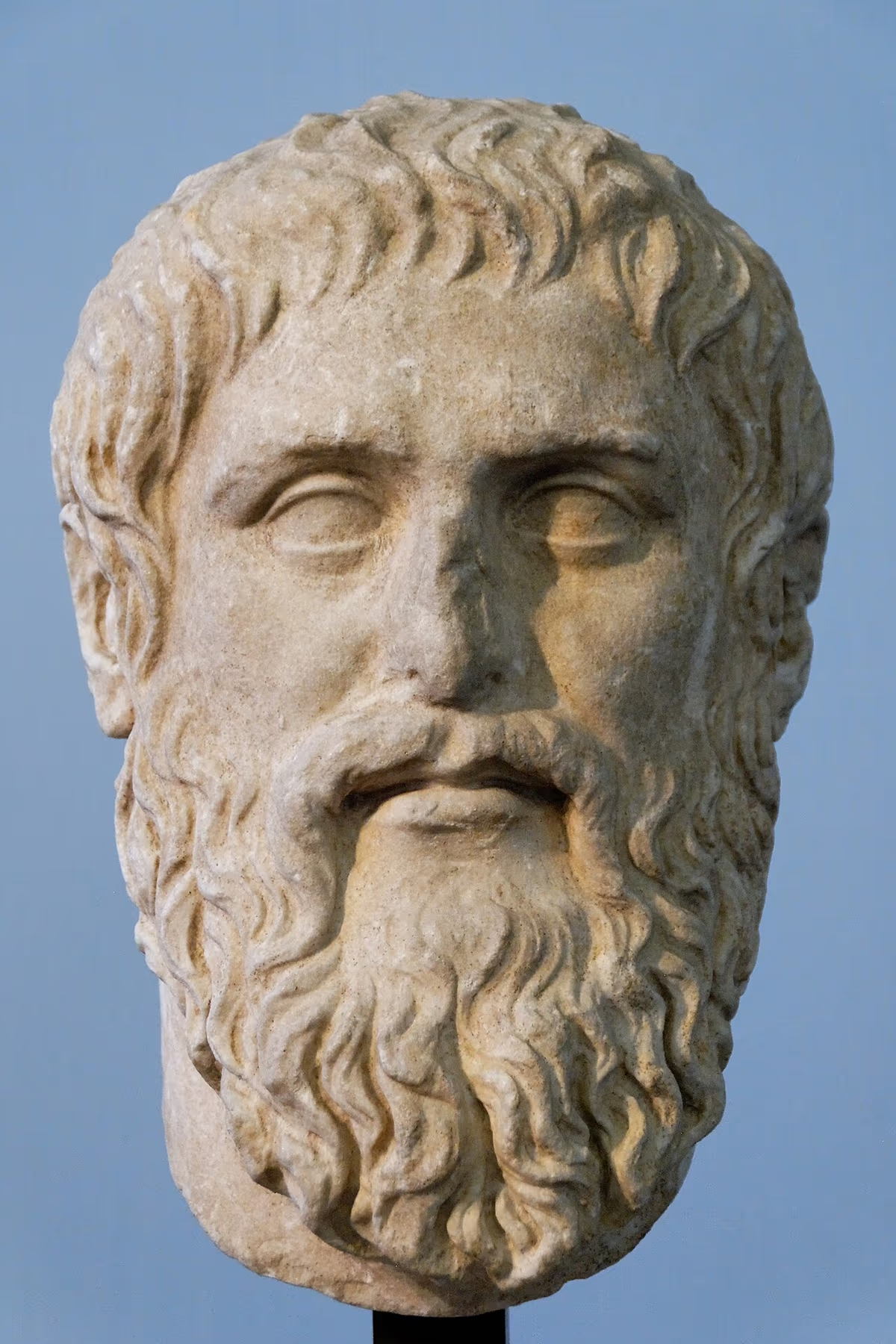
Plato
Greek philosopher, founder of the Academy
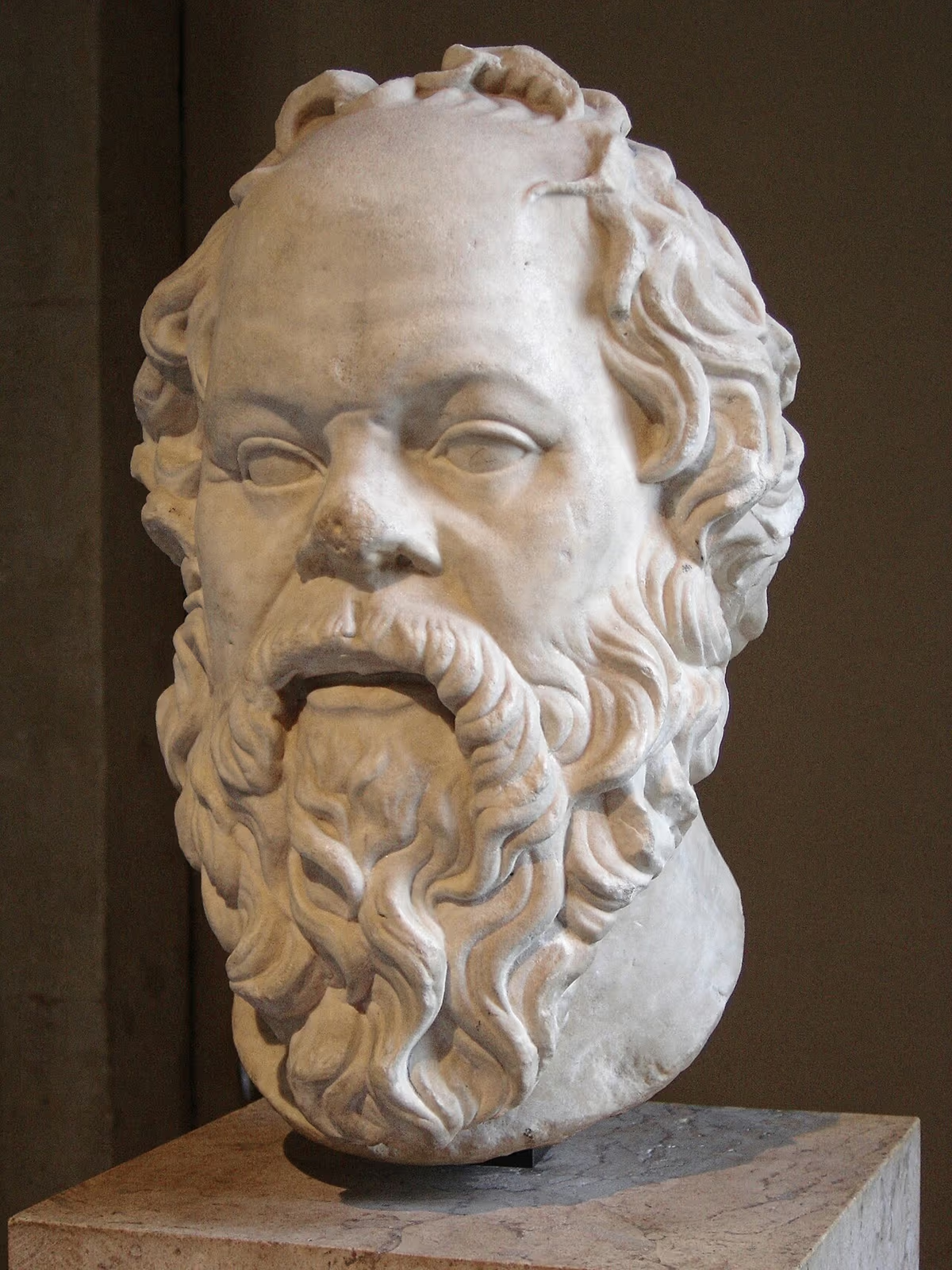
Socrates
Athenian philosopher and pioneer of moral inquiry
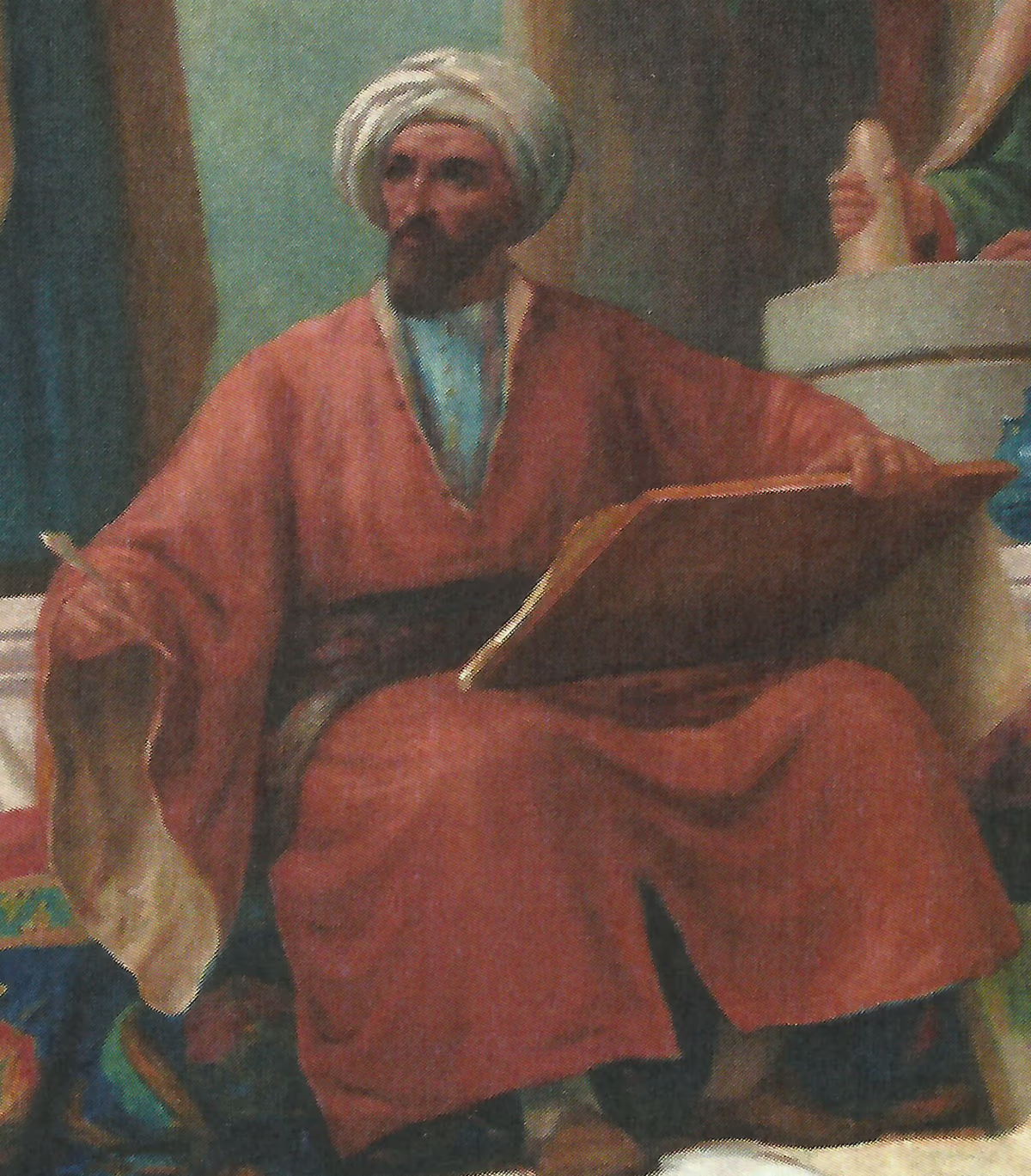
Avicenna
Persian physician and philosopher, author of the Canon of Medicine
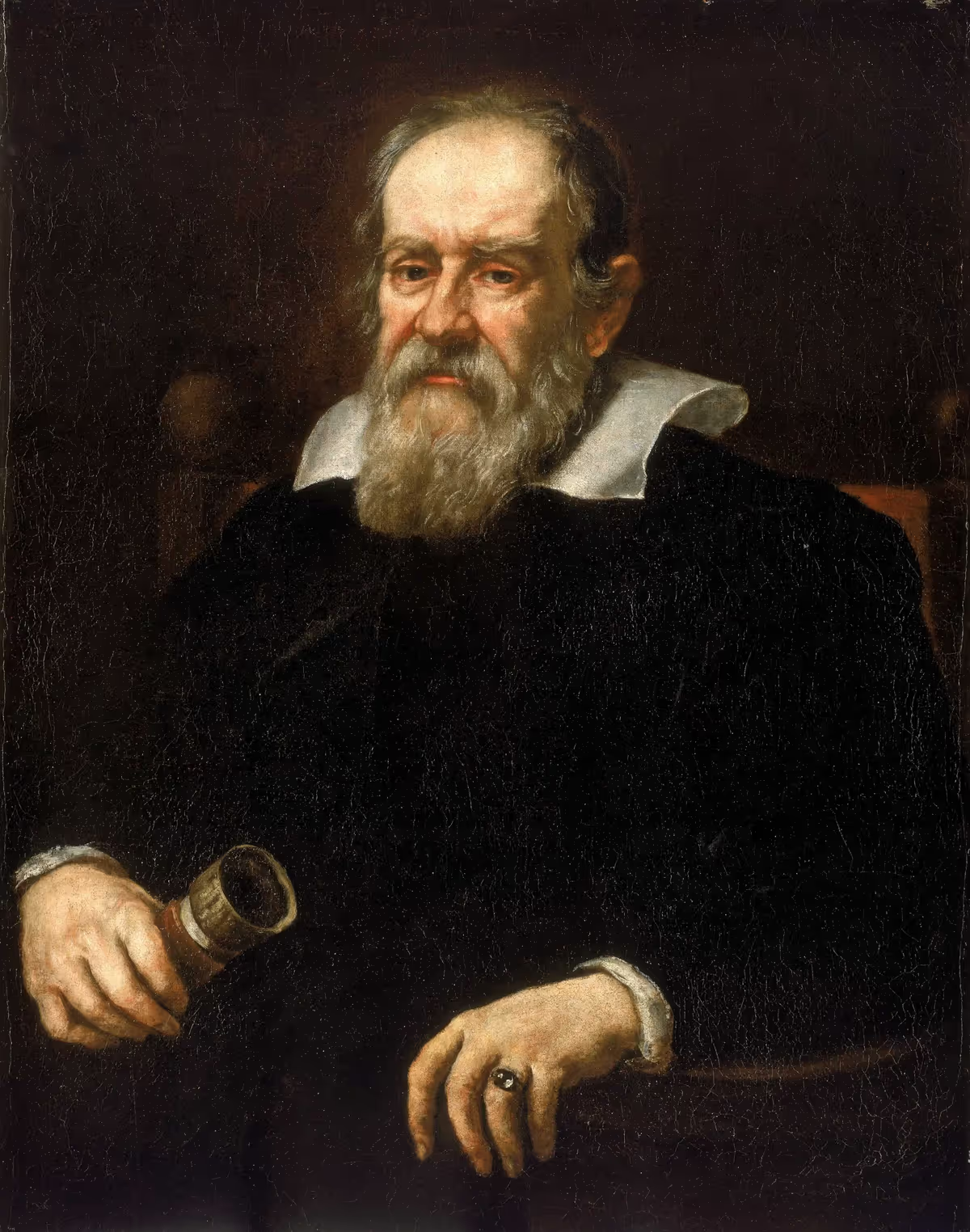
Galileo Galilei
Tuscan astronomer and physicist, condemned by the Inquisition in 1633
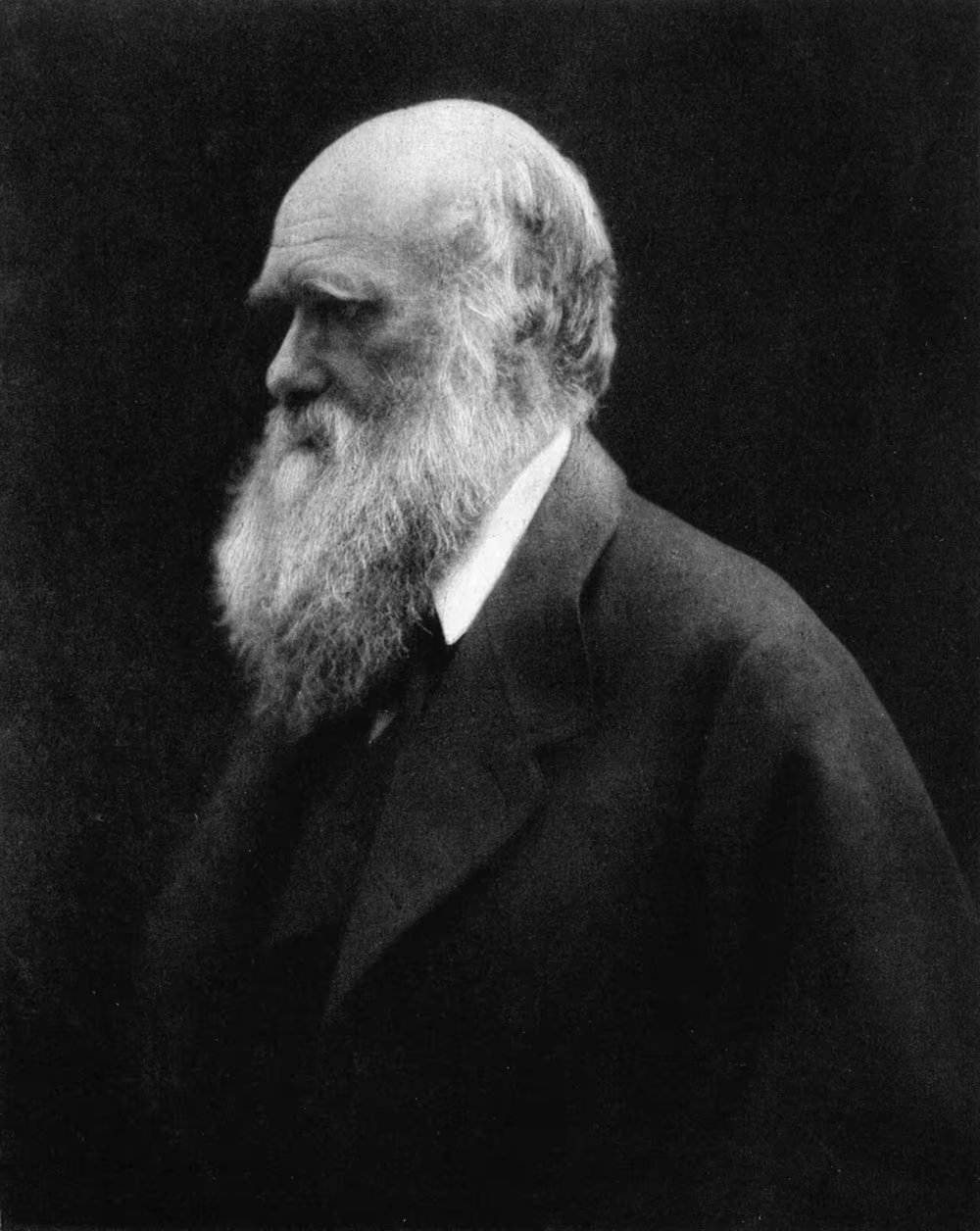
Charles Darwin
Naturalist, geologist, and evolutionary theorist
Specialized Sites
Batailles de France
Discover battles related to this figure
Dynasties Legacy
In preparationFuture site on royal and noble lineages (not available yet)
Timeline France
In preparationFuture chronological timeline site (not available yet)