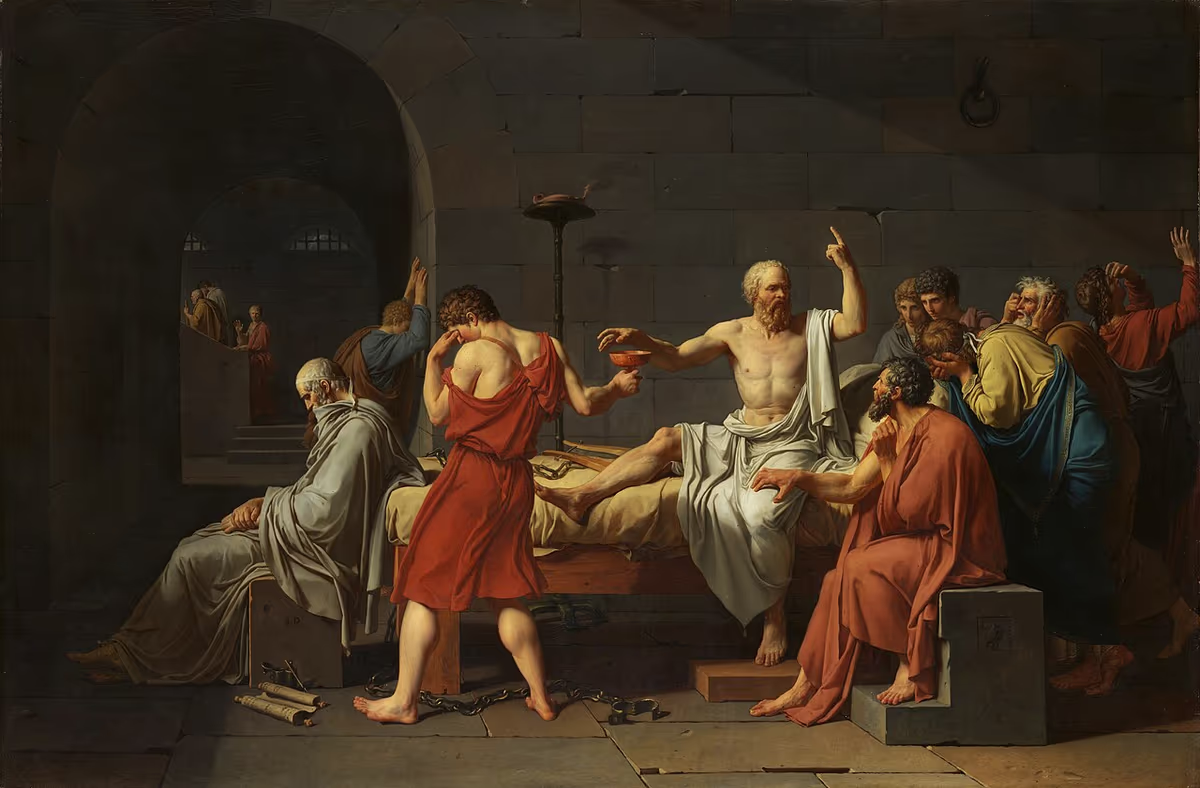
Jacques-Louis David, The Death of Socrates, 1787 — The Metropolitan Museum of Art, New York — public domain (Wikimedia Commons)
Socrates vs Plato: Teacher, Student and Who Said What
Socrates wrote nothing; Plato wrote almost everything we know about him. How old was Plato when Socrates died, and which ideas belong to which of the two men?
In Jacques-Louis David’s The Death of Socrates, painted in 1787, an old man sits slumped at the foot of the bed, turned away from the cup of hemlock. He is Plato. The detail is wrong twice over: Plato was a young man when Socrates died in 399 BC, and he was not in the room. In the Phaedo, the dialogue that describes that last day, the narrator lists the friends who were present and adds that Plato, he believes, was ill.
The painting sums up the problem neatly. Almost everything we know about Socrates passes through Plato, and Plato chose, at the decisive moment, to record his own absence. Comparing the two men is therefore not like comparing two rivals. It means asking where a teacher ends and the student who wrote him down begins.
Two lives that overlapped for about thirty years
Socrates was born around 470 BC in the deme of Alopece, in Athens, into a family of craftsmen. Plato was born in 428 or 427 BC, according to the traditional dating; some modern scholars place his birth a few years later, up to 423. He came from one of the great families of the city, which claimed descent from Solon. He was born just after the death of Pericles in 429, and he grew up during the Peloponnesian War, the long conflict that Socrates fought in as a hoplite, at Potidaea, Delium and Amphipolis.
That gives a gap of about forty-two or forty-three years between them. When Socrates drank the hemlock in the spring of 399, he was about seventy; Plato was about twenty-eight on the traditional dating, a little younger if he was born later.
How old was Plato when he met Socrates? The only precise figure comes from Diogenes Laertius, who wrote some six centuries later: Plato became his pupil at twenty, after burning the tragedies he had written for a competition. Diogenes himself introduces the claim with “so it is said”, and the anecdote of the burned poems reads like a legend. Plato probably knew Socrates earlier, as a boy from a family that moved in the same circles; the formal attachment, if the figure is right, came around 408. Either way, the two men spent at most a decade as teacher and follower.
The man who wrote nothing
Socrates left no texts. He taught by talking, in the Agora, in gymnasia and at dinners, and he refused to charge for it. We know him through three contemporaries, and they do not describe the same person.
- Aristophanes put him on stage in The Clouds in 423 BC, when Plato was a small child: a comic Socrates who studies the heavens and teaches young men to win bad arguments.
- Xenophon, a soldier and writer about forty years younger than Socrates, wrote an Apology, the Memorabilia and a Symposium. His Socrates is pious, practical and full of useful advice. Xenophon was not in Athens at the time of the trial: he was in Asia with the expedition of Cyrus the Younger.
- Plato wrote some thirty dialogues in which Socrates is almost always the main speaker.
In one of them, the Phaedrus, Socrates argues that writing weakens memory and cannot answer back when it is questioned. The argument survives only because Plato wrote it down. This situation is not unique. Confucius left no book either; the Analects were compiled by his disciples after his death. The site’s article on Confucius and Socrates compares the two teachers; the point here is narrower. When a founder speaks only through his followers, the follower’s talent decides what survives.
Present at the trial, absent at the death
Plato placed himself at the scene only twice, and both times in the Apology, his version of Socrates’ defence speech. Socrates points him out among the young men present in the courtroom, then names him among the friends ready to guarantee a fine of thirty minae, a large sum, in place of the death penalty. The jury chose death all the same.
For the last day, Plato hands the story to Phaedo of Elis, who tells it to Echecrates, a Pythagorean living far from Athens. The list of those present is precise: Crito, Apollodorus, Phaedo himself, two Thebans and others. Then comes the line about Plato’s illness. Commentators read it in different ways. Some see an honest admission; others see a signal that the conversation on the immortality of the soul that fills the Phaedo is Plato’s construction, not a transcript.
David, who placed an old Plato at the end of the bed, was following the opposite logic. Some critics have suggested that the whole scene is meant to be seen through Plato’s memory.
The Socratic problem: whose ideas are they?
Historians call it the “Socratic problem”: how to separate the historical Socrates from the character Plato built.
The most useful outside witness is Aristotle, who studied at Plato’s Academy for twenty years and knew Plato well but never met Socrates. In the Metaphysics he draws a clear line. Socrates looked for general definitions of moral notions, such as courage, piety and justice, through question and answer. But he did not make these universals exist separately from things. Plato did: the theory of the Forms, eternal models of which the visible world is only a copy, is his.
This fits what most scholars see in the dialogues themselves. The early, short dialogues such as the Laches, Charmides and Euthyphro end without an answer: Socrates questions, refutes and admits that he does not know. In the longer works of Plato’s maturity, the Phaedo, the Symposium and the Republic, the character still called Socrates sets out a doctrine of the soul, the Forms and the ideal city. In the Laws, Plato’s last work, Socrates disappears altogether, the only dialogue without him.
Even the image most associated with Socrates, the midwife who helps others give birth to their own ideas, comes from a Platonic dialogue, the Theaetetus. This sequence is the majority view, not a certainty: the order in which the dialogues were written is not known from ancient sources, and some scholars, such as Charles Kahn, read the work as a deliberate whole rather than a gradual departure from the teacher.
Two attitudes to the city
The two men also differed in how they dealt with Athens.
Socrates stayed. He served in the army, sat on the Council of Five Hundred in 406 BC, where he opposed the collective trial of the generals of Arginusae, and in 404 refused the order of the Thirty Tyrants to arrest Leon of Salamis. He never travelled except on campaign, and when Crito offered him a way to escape from prison, he refused, saying he would not break the laws of the city that had raised him.
Plato had been expected to enter politics. Two of his relatives, Critias and Charmides, belonged to the Thirty. In the Seventh Letter, whose authenticity is still debated, he explains that the oligarchy disgusted him, and that the restored democracy then put to death “the most just man of his time”. He left Athens for a while, stayed with Euclid of Megara, then travelled to Italy and Sicily, where he tried and failed to make the rulers of Syracuse govern as philosophers. Around 387 BC he founded the Academy, a permanent school just outside the city walls.
Socrates questioned the city from inside and paid with his life. Plato drew the opposite conclusion: a just city would require rulers trained for decades, and a place to train them.
What each left behind
Socrates left a method and a death. Several of his followers founded schools that each took one side of him: Antisthenes his austerity, Aristippus of Cyrene the pursuit of a measured pleasure, Euclid of Megara the art of argument. His refusal to flee became the model of the philosopher who prefers justice to life.
Plato left a body of work and an institution. About thirty-five dialogues and thirteen letters have come down under his name, some of doubtful authenticity, a rare case of an ancient author whose works seem to have survived almost entirely. The Academy lasted until the Roman siege of Athens in 86 BC. Through the Neoplatonists, Plato reached late antiquity: Hypatia taught Neoplatonic philosophy in Alexandria, and Augustine read Plotinus and Porphyry in Latin before his conversion. Alfred North Whitehead summed up this reach in 1929, writing that the European philosophical tradition consists of “a series of footnotes to Plato”.
So, who was the greater philosopher?
The question cannot be settled the way a battle can. Without Socrates, Plato would probably have been a politician or a playwright, by his own account and that of the ancient tradition. Without Plato, Socrates would be a minor character in a comedy by Aristophanes and in Xenophon’s practical memoirs, a moralist rather than the founder of Western philosophy.
The fairest answer is that they are not two candidates for the same title. Socrates changed what philosophy asks: what we actually know, and how we should live. Plato built the answers, the school and the written form that carried those questions for twenty-four centuries. For the wider picture, see the site’s overview of the philosophers who shaped Western thought, and, on the authors who wrote the history of their own time, Who Held the Pen.
Related Figures
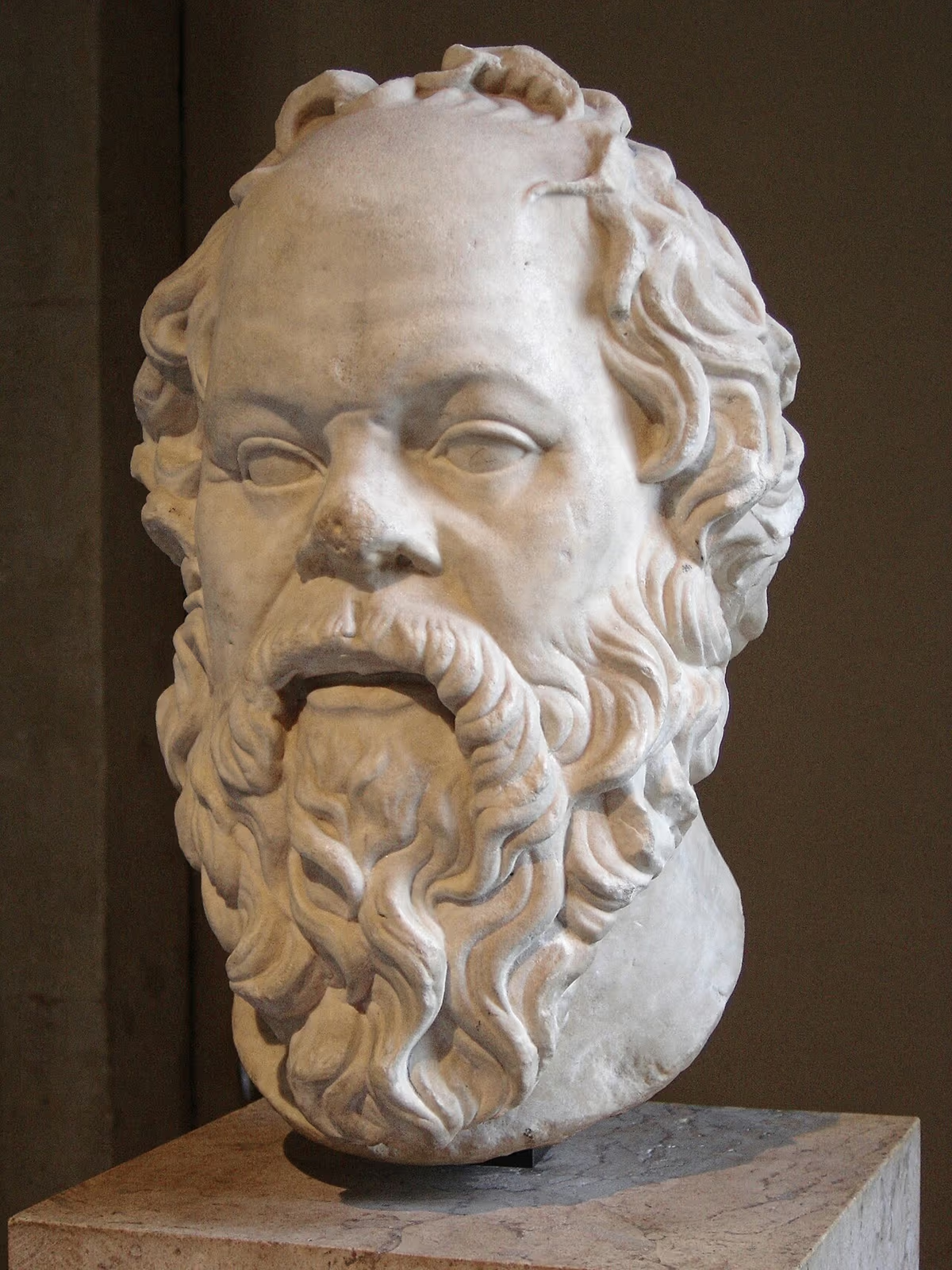
Socrates
Athenian philosopher and pioneer of moral inquiry
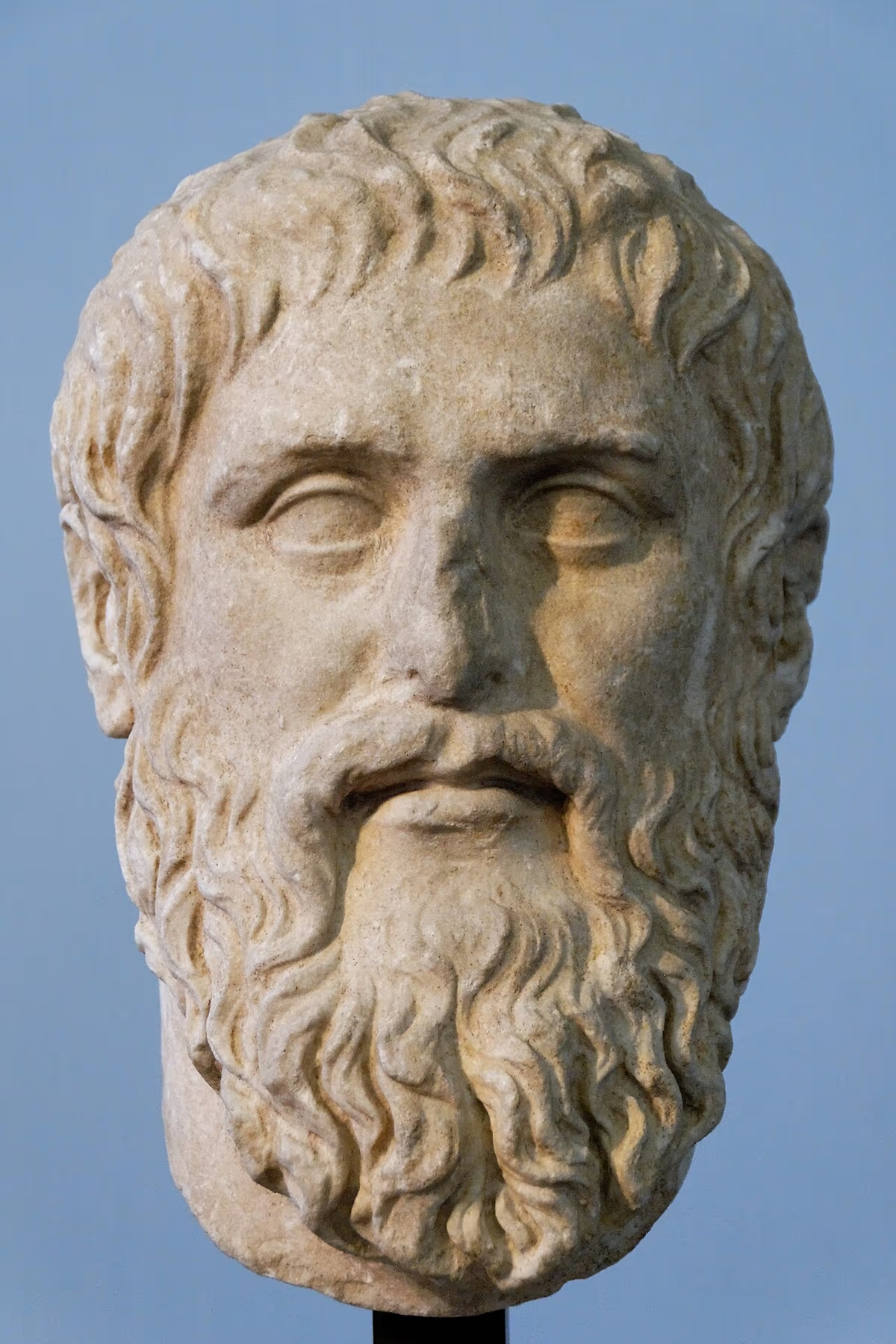
Plato
Greek philosopher, founder of the Academy
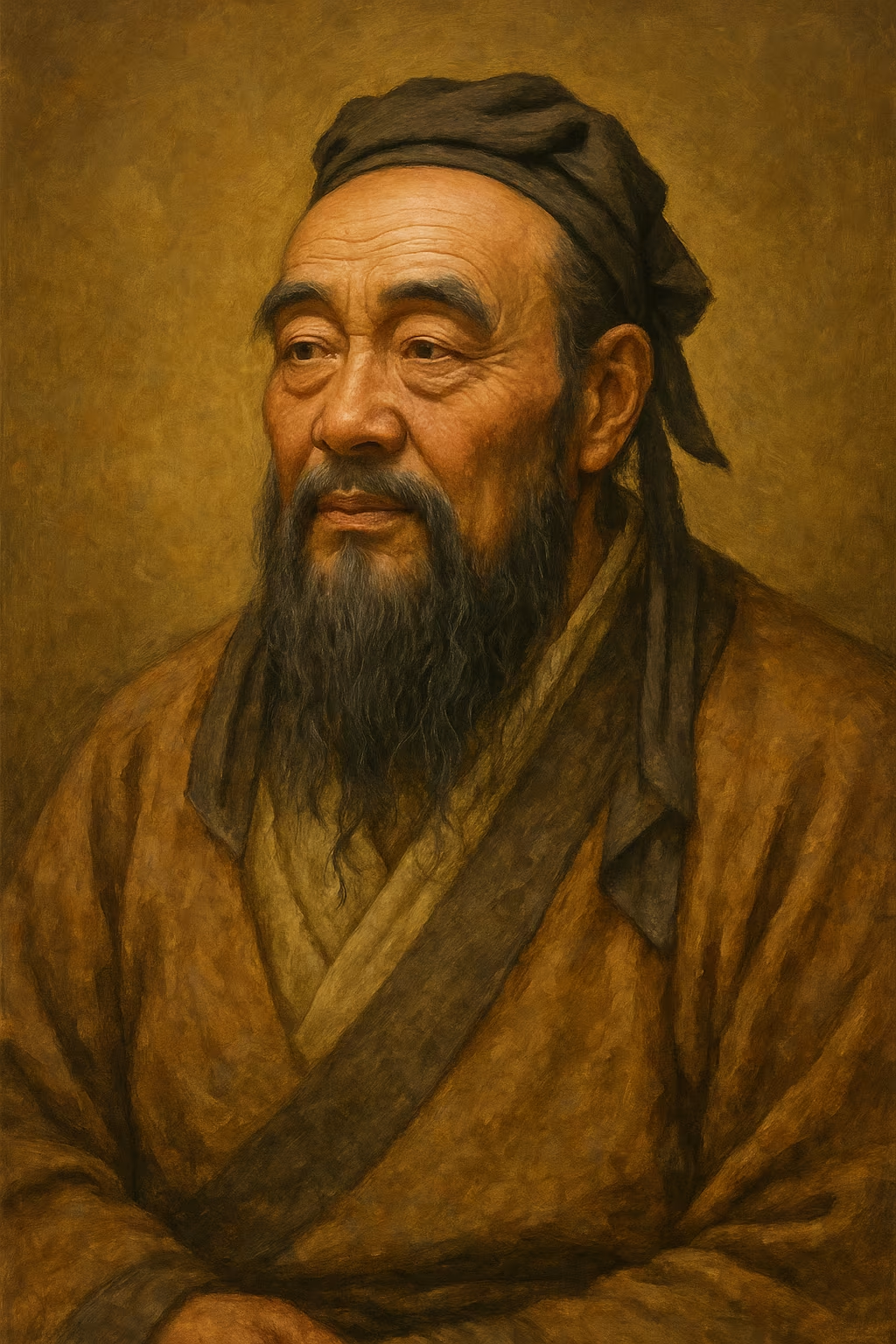
Confucius
Chinese philosopher, educator, and official of the State of Lu
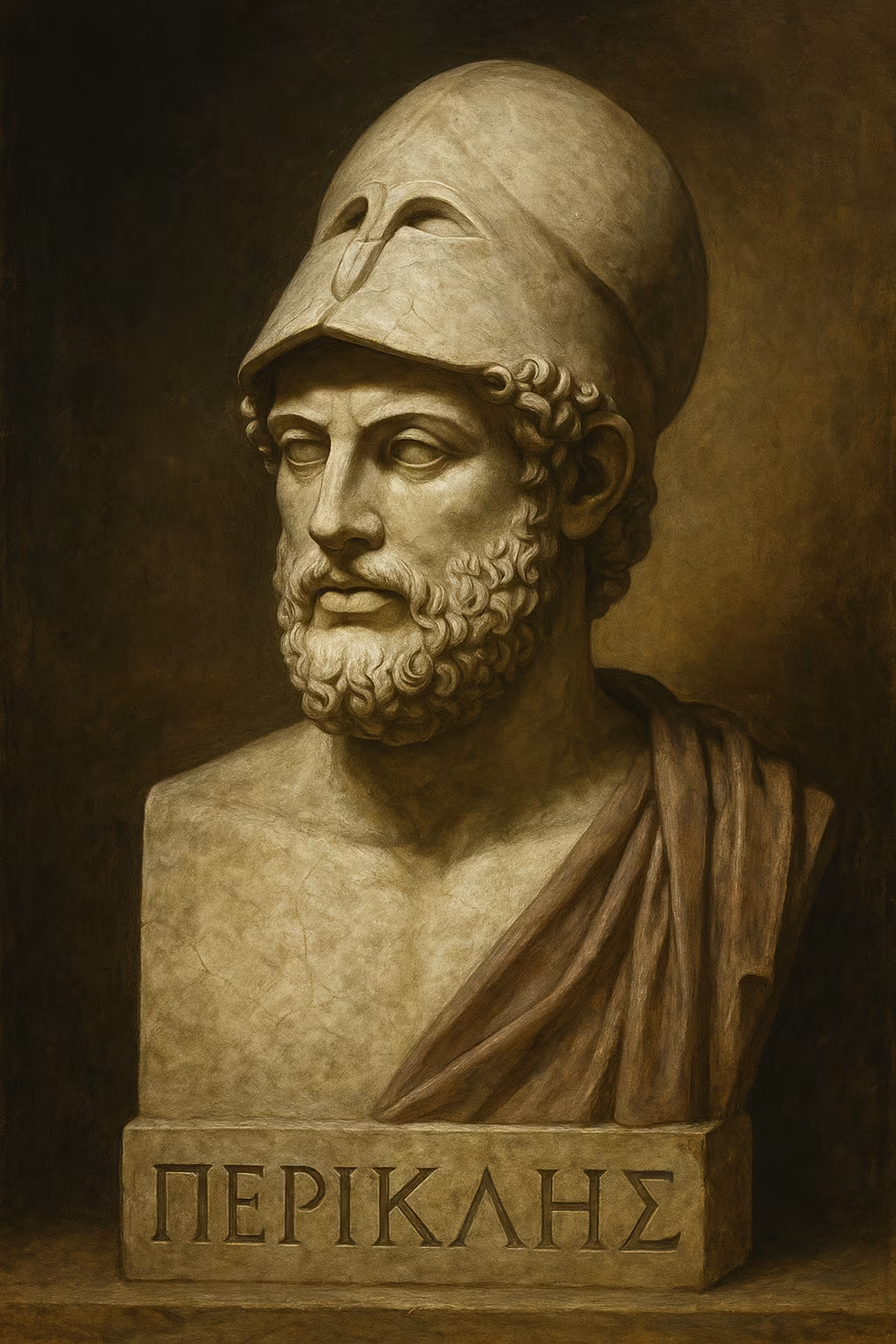
Pericles
Athenian statesman, strategist, and cultural patron
Saint Augustine
Bishop of Hippo and Doctor of the Church

Hypatia of Alexandria
Neoplatonist philosopher, mathematician, and astronomer of late antiquity
Read Next

Confucius vs Socrates: Their Philosophies Compared
Both taught by asking questions. Confucius built a social order; Socrates took one apart. Compare their methods, ethics and lasting influence.
16min read

Philosophers Who Shaped Western Thought: Socrates to Sartre
Socrates, Aquinas, Descartes, Kant, Nietzsche, Sartre. The one idea each added, in plain language, and how it still shapes the way you think.
20min read

Voltaire vs Rousseau: The Enlightenment Great Feud
They agreed on almost nothing and said so publicly for decades. What each believed about reason, nature and society, and who turned out to be right.
17min read

Julius Caesar vs Napoleon: Who Was the Greater General?
Napoleon admired Caesar and called himself “of Caesar’s race.” Compare Alesia and Austerlitz, their tactics, defeats and what each empire left behind.
17min read